
Hepatobiliary and Portal Interventions
Home > Hepatobiliary Interventions
Advanced Minimally Invasive Treatment for Liver, Bile Duct & Portal Vein Disorders
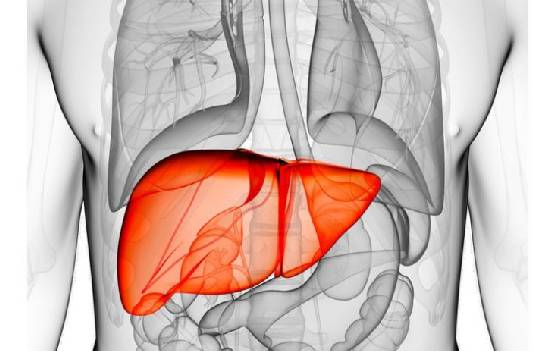
Advanced Minimally Invasive Treatment for Liver, Bile Duct & Portal Vein Disorders
The liver, bile ducts, gallbladder, and portal venous system are among the most vital components of the body’s digestive and metabolic functions. When disease affects these organs — whether due to cancer, cirrhosis, bile duct obstruction, infection, or portal hypertension — it can severely impact quality of life and overall health.
Dr. Suraj Bhame, a leading vascular and Interventional Radiologist in Pune, offers a comprehensive range of hepatobiliary and portal interventions using advanced, minimally invasive, image-guided techniques. These procedures treat complex liver and biliary conditions without the need for major open surgery in many cases, offering patients effective relief with faster recovery and fewer complications.
From managing life-threatening portal hypertension to treating biliary obstruction and liver tumors, Dr. Suraj Bhame provides precise, targeted treatment tailored to each patient’s condition and overall health status.
Understanding Hepatobiliary and Portal Vascular Disease
The hepatobiliary system includes the liver, bile ducts, gallbladder, and pancreas. These organs work together to produce bile, digest fats, metabolize nutrients, and eliminate toxins from the body. The portal venous system is a specialized network of veins that carries nutrient-rich blood from the intestines to the liver for processing.
When disease disrupts these systems, the consequences can be serious:
- Portal hypertension leads to internal bleeding from varices, fluid accumulation in the abdomen, and liver failure
- Liver tumors compromise liver function and overall health
- Portal vein thrombosis reduces blood supply to the liver and intestines
- Liver abscess or collections cause infection and systemic illness
- Biliary obstruction causes jaundice, infection, and liver damage
Interventional radiology offers minimally invasive solutions for many of these conditions, often providing faster relief and fewer risks compared to traditional surgery.
Conditions Treated by Dr. Suraj Bhame
Dr. Suraj Bhame evaluates and treats a wide spectrum of hepatobiliary and portal vascular conditions. Each patient is assessed individually, and treatment is planned based on the underlying diagnosis, severity, and overall clinical condition.
1. Biliary Obstruction and Jaundice
Obstruction of the bile ducts prevents bile from flowing from the liver to the intestine, causing a buildup of bilirubin in the blood.
Common causes of biliary obstruction include:
- Cancer of the bile duct (cholangiocarcinoma)
- Pancreatic cancer blocking the common bile duct
- Gallstones in the bile duct
- Post-surgical bile duct strictures
- Liver metastases compressing bile ducts
- Inflammatory conditions
Symptoms of biliary obstruction include:
- Yellowing of the skin and eyes (jaundice)
- Dark-colored urine
- Pale stools
- Itching all over the body
- Abdominal pain
- Fever with chills (if infection develops)
- Nausea and loss of appetite
Biliary drainage or stenting is performed to relieve obstruction and allow bile to flow normally.
2. Portal Hypertension
Portal hypertension is a condition where the blood pressure inside the portal vein (the main vein supplying the liver) becomes abnormally high. This is most commonly caused by cirrhosis of the liver.
Consequences of portal hypertension include:
- Bleeding from esophageal or gastric varices
- Ascites (fluid accumulation in the abdomen)
- Splenomegaly (enlarged spleen)
- Hepatic encephalopathy (confusion due to liver failure)
- Spontaneous bacterial peritonitis
Symptoms include:
- Vomiting blood
- Passage of black tarry stools
- Abdominal swelling and discomfort
- Confusion or altered behavior
- Swollen legs
3. Liver Tumors (Primary and Secondary)
Both primary liver cancers (hepatocellular carcinoma) and secondary liver tumors (metastases from colon, breast, or other cancers) can be treated using interventional techniques.
Interventional options may include:
- Transarterial chemoembolization (TACE)
- Transarterial radioembolization (TARE/Y-90)
- Radiofrequency or microwave ablation
4. Portal Vein Thrombosis
A blood clot in the portal vein reduces blood flow to the liver and may cause portal hypertension and bowel ischemia.
Symptoms may include:
- Abdominal pain
- Nausea and vomiting
- Ascites
- Fever
- Intestinal problems
5. Liver Abscess
A liver abscess is a collection of pus inside the liver caused by bacterial, amoebic, or fungal infection.
Symptoms include:
- High fever with chills
- Right-sided abdominal pain
- Nausea and vomiting
- Weight loss
- Fatigue
Percutaneous drainage under imaging guidance is an effective and minimally invasive way to drain the abscess.
6. Hepatic Venous Outflow Obstruction (Budd-Chiari Syndrome)
Budd-Chiari syndrome is caused by blockage of the hepatic veins that drain blood from the liver. It leads to liver congestion, pain, ascites, and liver failure.
Causes include:
- Blood clotting disorders
- Myeloproliferative disorders
- Tumor invasion of hepatic veins
- IVC membrane or web
7. Biliary Leak
Bile leaks can occur after surgery (such as cholecystectomy or liver resection) and cause abdominal pain, bile peritonitis, and infection. Percutaneous or biliary interventions can treat the leak effectively.
8. Cholecystitis and Gallbladder Disease
In patients who are too unwell for surgery, the gallbladder can be drained through a minimally invasive procedure called percutaneous cholecystostomy
Hepatobiliary and Portal Interventions Offered
Dr. Suraj Bhame performs a full range of hepatobiliary and portal interventions, each tailored to the patient’s specific condition and clinical needs.
1. Percutaneous Transhepatic Biliary Drainage (PTBD)
PTBD is a procedure where a thin catheter is inserted through the skin into the liver under imaging guidance to drain blocked bile.
When is PTBD performed?
- Malignant biliary obstruction (cancer-related)
- Benign biliary strictures
- Pre-operative biliary decompression
- When endoscopic drainage has failed
The procedure:
- Performed under local anesthesia
- A needle is inserted into the liver through the skin
- The bile duct is identified under fluoroscopy
- A catheter is placed to drain bile externally or internally
- Immediate relief of jaundice and symptoms
2. Biliary Stenting
After initial drainage, a permanent metallic or plastic stent may be placed inside the bile duct to keep it open and allow bile to drain freely without an external bag.
Benefits of biliary stenting:
- Restores internal bile drainage
- Improves quality of life
- Avoids the inconvenience of external drainage bag
- Effective for both benign and malignant strictures
3. Transjugular Intrahepatic Portosystemic Shunt (TIPS)
TIPS is a life-saving procedure for patients with complications of portal hypertension. A connection (shunt) is created inside the liver between the portal vein and the hepatic vein, reducing portal pressure.
TIPS is performed for:
- Uncontrolled variceal bleeding not responding to medication
- Refractory ascites (fluid not responding to diuretics)
- Hepatic hydrothorax (fluid in the chest due to liver disease)
- Budd-Chiari Syndrome
- Portal hypertensive gastropathy
How TIPS is performed:
- Access through the jugular vein in the neck
- A needle is passed through the liver to create a channel between portal and hepatic veins
- A stent is placed to maintain the shunt
- Portal pressure is measured before and after
- Performed under fluoroscopy guidance
Benefits of TIPS:
- Rapidly reduces portal pressure
- Stops or prevents variceal bleeding
- Controls refractory ascites
- Avoids abdominal surgery
- Can be a bridge to liver transplant
4. Variceal Embolization
Abnormally enlarged veins (varices) in the esophagus, stomach, or around the spleen can bleed severely. Embolization is performed to block these abnormal vessels and prevent or control bleeding.
Types of variceal embolization:
- Balloon-occluded retrograde transvenous obliteration (BRTO) for gastric varices
- Percutaneous transhepatic variceal embolization
- Splenic artery embolization to reduce portal pressure
5. Transarterial Chemoembolization (TACE)
TACE is a targeted treatment for liver tumors where chemotherapy drugs mixed with embolic agents are injected directly into the tumor’s blood supply through a catheter.
TACE is used for:
- Hepatocellular carcinoma (HCC)
- Liver metastases
- Downstaging tumors before surgery or transplant
- Palliative control of tumor growth
Advantages of TACE:
- Delivers high-dose chemotherapy directly to the tumor
- Reduces systemic side effects compared to IV chemotherapy
- Cuts off tumor blood supply
- Slows tumor growth
- Can be repeated if needed
6. Transarterial Radioembolization (TARE / Y-90)
TARE involves delivering tiny radioactive beads (Yttrium-90) directly into the liver tumor through a catheter. These beads lodge in the tumor vessels and deliver targeted radiation.
Advantages of TARE:
- Targeted radiation therapy
- Minimal radiation to surrounding normal liver
- Effective for large or multi-focal liver tumors
- Can treat tumors not suitable for surgery or ablation
7. Liver Tumor Ablation
Ablation procedures destroy tumors using heat (radiofrequency or microwave) delivered through a needle placed directly into the tumor under imaging guidance.
Types of ablation:
- Radiofrequency ablation (RFA)
- Microwave ablation (MWA)
Suitable for:
- Small hepatocellular carcinoma
- Limited liver metastases
- Patients not fit for surgery
8. Portal Vein Embolization (PVE)
Before major liver surgery, portal vein embolization is performed to block one side of the liver’s portal vein. This causes the other side of the liver to grow larger, ensuring enough healthy liver tissue remains after surgery.
Benefits of PVE:
- Increases safety of major liver resection
- Reduces risk of post-operative liver failure
- Allows surgery in patients with borderline liver volume
9. Percutaneous Liver Abscess Drainage
Under ultrasound or CT guidance, a thin needle or catheter is placed into the liver abscess to drain pus effectively.
Benefits:
- Avoids surgery
- Rapid relief of symptoms
- Short hospital stay
- Effective in most patients
10. Hepatic Venoplasty and Stenting for Budd-Chiari Syndrome
In selected patients with Budd-Chiari Syndrome caused by venous web or short segment stenosis, balloon dilation or stenting of the hepatic veins or IVC may restore venous outflow and improve liver function.
11. Percutaneous Cholecystostomy
A thin tube is placed into the gallbladder under imaging guidance to drain infected bile in patients with acute cholecystitis who are unfit for surgery.
Benefits of Minimally Invasive Hepatobiliary Interventions
Minimally invasive hepatobiliary procedures offer significant advantages, particularly in patients who are unfit for open surgery due to advanced liver disease or other medical conditions.
Key benefits include:
- No large abdominal incision
- Less blood loss
- Reduced risk of infection
- Shorter hospital stay
- Faster recovery
- Effective symptom relief
- Can be performed in patients with poor overall health
- Targeted treatment with minimal impact on healthy tissue
- Can be combined with other treatments (surgery, chemotherapy, radiation)
- Useful as a bridge to transplant in liver disease
Symptoms You Should Not Ignore
Many liver and biliary conditions are initially silent but progress over time. Recognizing warning signs and seeking timely evaluation is important.
Consult Dr. Suraj Bhame if you experience:
- Yellowing of eyes or skin
- Dark urine or pale stools
- Persistent abdominal pain or fullness
- Swelling of the abdomen
- Vomiting blood or black tarry stools
- Unexplained weight loss
- High fever with chills and abdominal pain
- Confusion or unusual behavior
- Known liver disease with worsening symptoms
- Swelling of legs with abdominal distension
What to Expect During the Procedure
Before the Procedure:
- Detailed consultation with review of reports
- Ultrasound, CT scan, or MRI of the abdomen
- Liver function tests and blood coagulation profile
- Review of medications including blood thinners
- Pre-procedure fasting instructions
- Discussion of procedure, risks, and expected outcomes
During the Procedure:
- Performed in an interventional radiology suite
- Local anesthesia with mild sedation in most cases
- Guidance using ultrasound, fluoroscopy, or CT
- Thin needle or catheter inserted through skin or blood vessel
- Duration varies depending on the type of procedure
After the Procedure:
- Monitoring of vital signs and liver function
- Pain relief medications if needed
- Catheter care if drainage tube is in place
- Hospital stay of 1 to 3 days for most procedures
- Follow-up imaging to assess treatment response
- Regular monitoring as per underlying condition
Why Choose Dr. Suraj Bhame for Hepatobiliary Interventions in Pune?
Hepatobiliary and portal interventions require a deep understanding of liver anatomy, vascular anatomy, and image-guided techniques. These are complex procedures that demand both technical expertise and careful patient selection.
Dr. Suraj Bhame brings together years of specialized training in interventional radiology with a strong focus on liver, biliary, and portal vascular conditions. He works closely with hepatologists, surgical gastroenterologists, oncologists, and transplant teams to provide comprehensive, coordinated care.
Reasons patients choose Dr. Suraj Bhame:
- Expertise in complex hepatobiliary interventions
- Experience with TIPS, TACE, TARE, and biliary procedures
- Minimally invasive approach avoiding surgery in many patients
- Access to advanced imaging and interventional equipment in Pune
- Thorough pre-procedure evaluation and patient counseling
- Multidisciplinary coordination for oncology and transplant patients
- Dedicated follow-up and long-term monitoring
- Compassionate and transparent patient communication
Frequently Asked Questions
ERCP (Endoscopic Retrograde Cholangiopancreatography) is performed by a gastroenterologist using an endoscope through the mouth. PTBD is performed by a vascular and Interventional Radiologist through the skin. PTBD is recommended when ERCP fails or is not possible.
This depends on the underlying condition. In cancer patients, a permanent stent may be placed. In benign conditions or post-surgery, the drain may be removed once the bile duct heals.
TIPS is a complex interventional procedure but does not require open surgery. It is performed through a vein in the neck. Patients are usually monitored closely for 1 to 2 days after the procedure.
TACE and TARE are primarily used to control tumor growth, downstage tumors for transplant or surgery, or as palliative treatment. In early-stage cancers, combined with other treatments, they can significantly improve outcomes.
The procedure is done under local anesthesia. Patients may feel mild pressure or discomfort during needle insertion, but significant pain is uncommon.
Most patients are monitored in hospital for 1 to 2 days after TIPS. Recovery depends on the underlying liver disease. Regular follow-up with Doppler ultrasound is needed to check shunt function.
Most procedures are covered under health insurance, but coverage depends on individual policy and hospital. It is advisable to confirm with the insurance provider before the procedure.
Book Your Consultation for Hepatobiliary Interventions in Pune
If you or a loved one is dealing with jaundice, liver tumors, portal hypertension, ascites, variceal bleeding, liver abscess, or any other hepatobiliary condition, early specialist consultation can make a significant difference in outcomes.
Dr. Suraj Bhame and his team are committed to providing expert, minimally invasive hepatobiliary care with a focus on patient comfort, safety, and recovery.
Dr. Suraj Bhame
vascular and Interventional Radiologist – Pune
Patient Testimonials
Innovations That Move You Forward