
Arterial Interventions
Home > Arterial Interventions
Advanced Minimally Invasive Treatment for Arterial Blockages
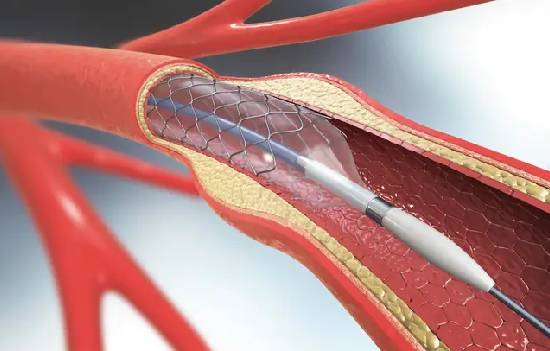
Arterial Interventions – Restoring Blood Flow. Protecting Your Health.
Arterial interventions are minimally invasive procedures used to diagnose and treat blockages, narrowing, or other problems affecting the arteries. These treatments help restore healthy blood flow to organs and tissues, reduce symptoms, and lower the risk of serious complications.
Our vascular specialists use advanced imaging and catheter-based techniques to provide precise, effective treatment with smaller incisions and typically shorter recovery times than traditional open surgery.
Dr. Suraj Bhame, a leading vascular and Interventional Radiologist in Pune, provides comprehensive dialysis access and nephrology interventional services using minimally invasive, image-guided techniques. From creating and maintaining arteriovenous fistulas to managing complex access problems and performing kidney-related interventions, Dr. Bhame offers a complete range of services tailored to the needs of kidney patients.
Whether you are a new dialysis patient requiring access creation or an existing patient experiencing access complications, Dr. Suraj Bhame and his team provide expert, timely, and patient-centered care.
What Are Arterial Interventions?
Arterial interventions are minimally invasive procedures used to diagnose and treat diseases of the arteries. These procedures are performed using imaging guidance such as fluoroscopy, ultrasound, or CT, which helps the doctor reach the affected blood vessel accurately.
Instead of open surgery, a thin catheter is passed through a small puncture, usually from the groin or wrist, to reach the blocked or narrowed artery. Depending on the condition, the artery may be treated with a balloon, stent, clot-removal device, or other specialized techniques.
Key advantages of arterial interventions include:
- No large surgical incision
- Less pain and discomfort
- Shorter hospital stay
- Faster recovery
- Lower risk of complications in many cases
- Often performed under local anesthesia
Who May Need Arterial Interventions?
Arterial interventions may be recommended for patients who have reduced blood flow due to narrowing, blockage, clot formation, or vascular injury. Many patients come for treatment only after symptoms become severe, but early diagnosis and intervention can prevent serious complications.
You may need arterial intervention if you have:
- Pain in the legs while walking
- Leg pain even at rest
- Non-healing wounds or foot ulcers
- Cold feet or toes
- Blackening of toes or gangrene
- Sudden severe pain in the arm or leg
- Uncontrolled high blood pressure due to renal artery narrowing
- Stroke risk due to carotid artery disease
- Internal bleeding from an arterial source
- Aneurysm or arterial injury
Conditions Treated by Dr. Suraj Bhame
Dr. Suraj Bhame provides treatment for a wide range of arterial conditions in Pune. The exact treatment depends on the location of the blockage, severity of disease, and overall health of the patient.
Common conditions treated include:
1. Peripheral Arterial Disease (PAD)
Peripheral arterial disease occurs when the arteries supplying blood to the legs become narrowed due to plaque buildup. This can cause pain while walking, cramping, weakness, and poor wound healing. If left untreated, PAD may progress to critical limb ischemia.
2. Critical Limb Ischemia
This is an advanced stage of poor circulation where blood supply to the leg or foot becomes severely reduced. Patients may develop severe rest pain, ulcers, blackening of toes, or tissue damage. Timely arterial intervention can help improve circulation and may reduce the risk of amputation.
3. Diabetic Foot with Poor Blood Supply
In diabetic patients, small blood vessels below the knee and in the foot may become blocked. This can lead to non-healing ulcers and serious infections. Endovascular procedures can help restore circulation and support wound healing.
4. Renal Artery Stenosis
Narrowing of the kidney arteries can lead to difficult-to-control high blood pressure and reduced kidney function. Angioplasty or stenting may be advised in selected patients.
5. Carotid Artery Disease
Blockage in the carotid arteries in the neck can increase the risk of stroke. In appropriate cases, carotid artery stenting may be performed to improve blood flow to the brain.
6. Mesenteric Ischemia
When arteries supplying the intestines become narrowed, patients may experience abdominal pain, especially after meals. Endovascular treatment may help improve intestinal blood supply.
7. Aortic Aneurysm
An aneurysm is an abnormal bulging of a blood vessel, especially the aorta. Some aneurysms can be treated using stent grafting without open surgery.
8. Acute Arterial Thrombosis or Embolism
A sudden clot blocking an artery is a medical emergency. Immediate intervention is often needed to restore blood flow and prevent permanent tissue damage.
9. Traumatic Arterial Injury or Bleeding
Arterial injuries due to trauma, surgery, or internal bleeding may be treated using minimally invasive embolization or stent placement.
Arterial Interventions Offered
Dr. Suraj Bhame performs a range of endovascular arterial procedures using modern image-guided techniques. The choice of procedure depends on the type, location, and severity of arterial disease.
Common arterial procedures include:
1. Angiography
Angiography is a diagnostic procedure used to visualize the arteries and identify narrowing, blockages, aneurysms, or bleeding. A contrast dye is injected into the blood vessel and images are taken in real time.
It helps in:
- Confirming the site of blockage
- Assessing the severity of disease
- Planning the best treatment
- Performing treatment in the same sitting if needed
2. Peripheral Angioplasty
In this procedure, a tiny balloon is passed into the narrowed artery and inflated to open the blockage and improve blood flow.
This is commonly used for:
- Leg artery blockages
- Peripheral arterial disease
- Critical limb ischemia
- Diabetic foot circulation problems
3. Arterial Stenting
Sometimes, after angioplasty, a stent is placed inside the artery to keep it open. A stent is a small mesh tube that supports the artery from within.
Stenting may be required in:
- Tight arterial narrowing
- Recurrent blockages
- Renal artery disease
- Carotid artery disease
- Selected peripheral artery lesions
4. Thrombolysis
If an artery is blocked by a fresh blood clot, clot-dissolving medicine may be delivered directly to the clot through a catheter.
This may be useful for:
- Sudden limb ischemia
- Acute thrombosis
- Selected graft or stent blockages
5. Mechanical Thrombectomy
In some patients, the clot can be physically removed using specialized devices. This may quickly restore blood flow in emergency situations.
6. Atherectomy
Atherectomy is a technique used to remove plaque from inside the artery. It may be helpful in selected patients with calcified or complex arterial disease.
7. Below-the-Knee and Pedal Angioplasty
These are highly specialized procedures used to open very small arteries below the knee or in the foot, especially in diabetic patients with non-healing ulcers.
8. Aortic Stent Grafting (EVAR / TEVAR)
This treatment is used for selected aortic aneurysms. A stent graft is placed inside the aorta to strengthen the vessel wall and reduce the risk of rupture.
9. Embolization for Arterial Bleeding
Embolization is used to stop abnormal or life-threatening bleeding by blocking the bleeding artery from inside.
It may be performed for:
- Trauma-related bleeding
- Gastrointestinal bleeding
- Post-surgical bleeding
- Lung bleeding
- Other vascular emergencies
Benefits of Minimally Invasive Arterial Treatment
One of the biggest advantages of arterial intervention is that it provides effective treatment without the need for major surgery in many cases. For suitable patients, this means better comfort and quicker recovery.
Benefits include:
- Tiny puncture instead of open surgery
- Less blood loss
- Minimal scarring
- Reduced pain after the procedure
- Shorter hospital stay
- Faster return to normal activities
- Can be a limb-saving treatment in severe disease
- Often suitable for high-risk or elderly patients
Symptoms You Should Not Ignore
Many patients with arterial disease ignore early symptoms until complications become severe. Timely evaluation is important, especially for diabetic patients and people with smoking history, high blood pressure, high cholesterol, or kidney disease.
Consult Dr. Suraj Bhame if you have:
- Pain in the calf while walking
- Pain in the foot at night or at rest
- A foot wound that is not healing
- Change in skin color of the toes
- Numbness or coldness in the leg
- Sudden severe pain in a limb
- Weak pulse in the foot
- Swelling or bleeding from a vascular problem
- High blood pressure not controlled with medicines
What to Expect During the Procedure
Arterial interventions are usually planned after detailed clinical evaluation and imaging tests. Dr. Suraj Bhame will review your symptoms, previous reports, and medical history before suggesting the most suitable procedure.
Before the procedure:
- Consultation and physical examination
- Doppler ultrasound / CT angiography / other scans
- Blood tests and kidney function tests
- Review of medications
- Fasting instructions if required
During the procedure:
- Usually done under local anesthesia
- Small puncture in the groin or wrist
- A thin catheter is guided to the artery under imaging
- Blockage is treated using balloon, stent, clot removal, or embolization
- Procedure duration varies depending on complexity
After the procedure:
- Observation for a few hours or overnight
- Monitoring of pulse, blood pressure, and puncture site
- Early walking in many cases
- Discharge may be same day or next day depending on the procedure
- Follow-up for recovery and long-term vascular care
Why Choose Dr. Suraj Bhame for Arterial Interventions in Pune?
Choosing the right specialist is important when dealing with arterial disease. Interventional radiology offers precision and minimally invasive treatment, but experience and case selection play a major role in outcomes.
Dr. Suraj Bhame focuses on patient-centered vascular care with a strong emphasis on minimally invasive treatment, accurate diagnosis, and coordinated management.
Why patients choose Dr. Suraj Bhame:
- Expertise in interventional radiology and endovascular procedures
- Advanced treatment for peripheral artery disease and limb ischemia
- Focus on diabetic foot and limb salvage
- Image-guided precision-based treatment
- Minimally invasive approach with faster recovery
- Careful evaluation and individualized treatment plan
- Collaboration with other specialists when needed
- Convenient access to advanced vascular care in Pune
Frequently Asked Questions
Book a Consultation for Arterial Interventions in Pune
If you are experiencing symptoms of blocked arteries, poor circulation, diabetic foot ulcers, or vascular pain, early treatment can make a major difference. A timely arterial intervention can help restore blood flow, relieve symptoms, and prevent serious complications.
Dr. Suraj Bhame | vascular and Interventional Radiologist in Pune
Patient Testimonials
Innovations That Move You Forward