
Onco-Interventions
Home > Onco-Interventions
Advanced Minimally Invasive Cancer Treatment by Interventional Radiology
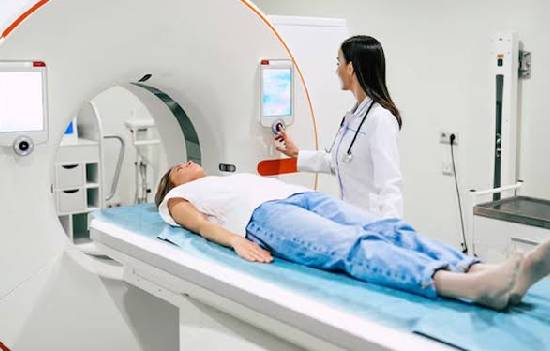
Advanced Minimally Invasive Cancer Treatment by Interventional Radiology
Cancer treatment has evolved significantly over the years. Today, many cancers can be treated or managed using minimally invasive, image-guided procedures that target tumors directly — without the need for major surgery, prolonged hospital stays, or the severe side effects often associated with systemic chemotherapy.
Dr. Suraj Bhame, a leading vascular and Interventional Radiologist in Pune, specializes in onco-interventions — a rapidly growing field that brings precision cancer care through the use of advanced imaging technology combined with targeted therapies delivered directly to the tumor.
These procedures are performed through tiny needle punctures or small catheters, guided by real-time imaging such as CT, ultrasound, or fluoroscopy. They are designed to destroy, shrink, or control tumor growth while preserving healthy surrounding tissue and maintaining quality of life.
Onco-interventions play an important role across all stages of cancer — as a primary treatment, as a bridge to surgery or transplant, as a palliative option to control symptoms, or as part of a combined treatment approach alongside surgery, chemotherapy, or radiation.
What Are Onco-Interventions?
Onco-interventions, also known as interventional oncology, are minimally invasive procedures performed by interventional radiologists to treat tumors and cancer-related complications. These procedures use imaging guidance to deliver treatment precisely to the tumor while minimizing damage to surrounding healthy tissue.
Interventional oncology is now recognized as the fourth pillar of cancer care alongside surgery, medical oncology, and radiation oncology.
Key principles of onco-interventions:
- Targeted treatment delivered directly to the tumor
- Minimal damage to surrounding healthy tissue
- Performed through small needle punctures or catheters
- Image-guided precision using CT, ultrasound, or fluoroscopy
- Can be combined with other cancer treatments
- Suitable for patients who are not fit for surgery
- Effective for both primary and metastatic cancers
- Helps maintain quality of life during cancer treatment
Who May Need Onco-Interventions
Onco-interventions (Interventional Oncology) are minimally invasive, image-guided procedures used to diagnose, treat, and relieve cancer symptoms. They are performed by specialized radiologists using tiny skin punctures (guided by CT, ultrasound, or X-ray), making them a crucial tool in modern cancer care.
Individuals who may need onco-interventions include:
- Patients with localized solid tumors: Those needing precise, direct tumor destruction (such as liver, lung, or kidney tumors) via techniques like radiofrequency or microwave ablation.
- Patients requiring targeted chemotherapy: Those needing drugs delivered directly into the artery supplying the tumor (chemoembolization or radioembolization) to maximize effectiveness and reduce systemic side effects.
- Individuals who cannot undergo major surgery: Patients who are considered “high risk” or too frail for major surgical tumor removal due to age, heart/lung conditions, or multiple health issues.
- Patients requiring precise diagnostics: Those needing minimally invasive tissue biopsies or fluid aspiration for accurate cancer staging and genomic
Conditions Treated with Onco-Interventions
Dr. Suraj Bhame provides expert onco-interventional care for a wide range of primary and secondary cancers as well as cancer-related complications.
1. Liver Cancer (Hepatocellular Carcinoma)
Liver cancer is one of the most common primary liver malignancies and is often associated with cirrhosis or chronic hepatitis infection. Interventional radiology plays a central role in the management of liver cancer at various stages.
Patients may be candidates for:
- Transarterial chemoembolization (TACE)
- Transarterial radioembolization (TARE / Y-90)
- Radiofrequency or microwave ablation
- Combined treatments
2. Liver Metastases
Many cancers including colorectal, breast, lung, pancreatic, and neuroendocrine tumors commonly spread to the liver. Liver metastases can be treated using interventional techniques even when surgery is not possible.
Treatment options depending on number, size, and location:
- Ablation for small or limited metastases
- TACE or TARE for multiple or larger deposits
- Combined approach with systemic therapy
3. Kidney Cancer (Renal Cell Carcinoma)
Small kidney tumors can often be treated effectively using ablation techniques, offering a kidney-preserving alternative to surgical removal.
Suitable for:
- Small renal tumors
- Patients with single kidney
- Elderly or medically unfit patients
- Recurrence after prior surgery
4. Lung Cancer and Lung Metastases
Selected lung tumors — both primary and metastatic — can be treated using percutaneous ablation under CT guidance.
Suitable for:
- Early-stage lung cancer not fit for surgery
- Limited lung metastases
- Recurrence after prior treatment
5. Bone Tumors and Bone Metastases
Bone involvement in cancer is a significant source of pain and disability. Interventional techniques can treat bone metastases and provide effective pain relief.
Treatment options include:
- Radiofrequency ablation of bone lesions
- Cementoplasty or vertebroplasty for pathological fractures
- Embolization to reduce tumor vascularity before surgery
6. Thyroid and Neck Tumors
Benign thyroid nodules and selected thyroid cancers can be treated using thermal ablation techniques as a non-surgical alternative.
7. Adrenal Tumors
Selected adrenal tumors or metastases can be treated with ablation under CT guidance.
8. Neuroendocrine Tumors (NETs)
Neuroendocrine tumors, especially those that spread to the liver, can be effectively managed using TACE or TARE to control tumor growth and hormonal symptoms.
9. Pancreatic Cancer
While surgery remains the primary treatment for operable pancreatic cancer, interventional radiology plays an important supportive role in:
- Biliary drainage for jaundice
- Celiac plexus block for pain management
- Embolization for bleeding complications
10. Uterine and Pelvic Tumors
Embolization procedures can help control bleeding from gynecological tumors and provide palliative symptom relief.
11. Head and Neck Tumors
Pre-surgical embolization of highly vascular head and neck tumors reduces intraoperative bleeding and makes surgery safer.
12. Cancer-Related Complications
Interventional radiology also plays a critical role in managing complications arising from cancer or cancer treatment:
- Biliary obstruction — PTBD and biliary stenting for jaundice
- Venous thrombosis — IVC filter, thrombolysis
- Malignant ascites — drainage procedures
- Pleural effusion — percutaneous drainage
- Abscess — image-guided drainage
- Pathological fractures — vertebroplasty, cementoplasty
- Bleeding — embolization
- Pain management — nerve blocks, ablation
Onco-Interventional Procedures Offered by Dr. Suraj Bhame
1. Transarterial Chemoembolization (TACE)
TACE is a minimally invasive procedure where chemotherapy drugs are mixed with embolic agents and injected directly into the blood vessels feeding the tumor through a catheter.
How TACE works:
- A thin catheter is inserted through the groin artery
- It is guided to the artery supplying the tumor under fluoroscopy
- Chemotherapy mixed with embolic material is injected
- This kills cancer cells directly and cuts off tumor blood supply
- Healthy liver tissue is largely spared
TACE is used for:
- Hepatocellular carcinoma (HCC)
- Liver metastases from various cancers
- Neuroendocrine liver metastases
- Downstaging tumors for liver transplant
- Palliative control of large or multiple liver tumors
Advantages of TACE:
- High concentration of chemotherapy at tumor site
- Reduced systemic side effects compared to IV chemotherapy
- Tumor blood supply is simultaneously cut off
- Can be repeated if required
- Effective palliation of symptoms
- Can be combined with ablation or systemic therapy
2. Transarterial Radioembolization (TARE / Y-90)
TARE involves delivering millions of tiny radioactive microspheres (Yttrium-90) directly into the blood vessels of the tumor through a catheter. These microspheres lodge inside the tumor and deliver targeted internal radiation.
How TARE works:
- A catheter is passed into the hepatic artery
- Radioactive Y-90 beads are injected selectively into the tumor’s blood supply
- The beads emit radiation locally, destroying tumor cells
- Radiation exposure to the rest of the body is minimal
TARE is used for:
- Hepatocellular carcinoma
- Liver metastases (colorectal, neuroendocrine, breast)
- Large or multifocal liver tumors
- Portal vein invasion by tumor
- Patients not suitable for TACE or surgery
Advantages of TARE:
- Targeted internal radiation
- Minimal systemic radiation exposure
- Effective for large tumor burden
- Can be performed even with portal vein involvement
- Outpatient or short hospital stay procedure
3. Radiofrequency Ablation (RFA)
Radiofrequency ablation uses high-frequency electrical energy delivered through a needle electrode placed inside the tumor to generate heat, which destroys cancer cells.
How RFA works:
- Under CT or ultrasound guidance, a needle electrode is inserted directly into the tumor
- Radiofrequency energy creates heat of 60–100°C
- Tumor cells are destroyed while surrounding tissue is preserved
RFA is used for:
- Small liver tumors (HCC and metastases)
- Kidney tumors
- Lung tumors
- Bone lesions for pain relief
- Thyroid and adrenal nodules
Advantages of RFA:
- No surgical incision
- Outpatient or short hospital stay
- Minimal pain and recovery time
- Can be repeated if needed
- Suitable for elderly or medically unfit patients
4. Microwave Ablation (MWA)
Microwave ablation is an advanced form of thermal ablation that uses microwave energy to destroy tumors. It is faster and can treat larger tumors compared to RFA.
Advantages of MWA over RFA:
- Faster ablation time
- Higher temperatures achieved
- Effective for larger tumors
- Less affected by nearby blood vessels (heat sink effect)
- More predictable ablation zone
MWA is used for:
- Liver, kidney, and lung tumors
- Tumors near blood vessels
- Larger lesions not suitable for RFA
5. Cryoablation
Cryoablation uses extreme cold (liquid nitrogen or argon gas) delivered through a probe to freeze and destroy tumor tissue.
Advantages of cryoablation:
- Visible ice ball on imaging — precise monitoring
- Less painful than heat-based ablation
- Suitable for tumors near sensitive structures
- Effective for kidney, prostate, and bone tumors
6. Irreversible Electroporation (IRE / NanoKnife)
IRE uses electrical pulses to create permanent pores in cancer cell membranes, leading to cell death without heat. It is particularly useful for tumors located near critical structures like bile ducts or major blood vessels.
Suitable for:
- Pancreatic tumors
- Tumors near bile ducts or major vessels
- Locally advanced tumors not suitable for thermal ablation
7. Percutaneous Tumor Biopsy
Image-guided biopsy is a minimally invasive way to obtain tissue samples from tumors for accurate diagnosis, staging, and treatment planning.
Advantages of image-guided biopsy:
- Precise targeting of the tumor under CT or ultrasound
- Avoids open surgical biopsy
- Quick procedure with minimal discomfort
- Early diagnosis enables timely treatment
- Can be performed for liver, lung, kidney, bone, and other tumors
8. Pre-Surgical Tumor Embolization
Before removing highly vascular tumors surgically, embolization is performed to reduce blood supply, minimize intraoperative bleeding, and make the surgery safer.
Commonly performed for:
- Renal tumors
- Bone tumors
- Head and neck tumors (meningioma, paraganglioma, juvenile nasopharyngeal angiofibroma)
- Pelvic tumors
9. Vertebroplasty and Cementoplasty
When cancer spreads to the spine or other bones, it can cause severe pain, weakness, and risk of fracture. Bone cement is injected into the affected bone under imaging guidance to stabilize it and relieve pain.
Benefits:
- Rapid and effective pain relief
- Stabilizes weakened bone
- Prevents pathological fracture
- Minimally invasive with short recovery
10. Celiac Plexus Block and Neurolysis
Cancer of the pancreas and upper abdominal organs can cause severe, difficult-to-control pain. Celiac plexus block involves injecting alcohol or local anesthetic around the celiac nerve plexus under imaging guidance to interrupt pain signals.
Benefits:
- Significant reduction in cancer pain
- Reduces dependence on opioid pain medications
- Minimally invasive
- Can be repeated if needed
- Improves quality of life
11. Biliary Drainage and Stenting for Cancer
Cancer of the bile duct, pancreas, or liver can block bile flow, causing jaundice. PTBD or biliary stenting restores bile drainage and relieves jaundice.
Used in:
- Cholangiocarcinoma
- Pancreatic cancer
- Liver metastases causing biliary compression
- Pre-surgical biliary decompression
12. Embolization for Tumor Bleeding
Tumors can bleed internally, sometimes severely. Embolization blocks the bleeding blood vessel and controls hemorrhage effectively without surgery.
Used for:
- Kidney tumor bleeding
- Liver tumor hemorrhage
- Pelvic tumor bleeding
- Post-biopsy or post-surgical bleeding
13. Port-a-Cath and Chemotherapy Port Insertion
For patients requiring long-term intravenous chemotherapy, a port-a-cath (implantable venous port) is placed under the skin for easy, repeated venous access.
Benefits:
- Avoids repeated needle pricks
- Safe and comfortable chemotherapy administration
- Reduced risk of vein damage
- Can stay in place throughout chemotherapy course
14. IVC Filter for Cancer Patients
Cancer patients are at high risk of DVT and pulmonary embolism. IVC filter placement protects against life-threatening pulmonary embolism in high-risk patients.
Benefits of Onco-Interventional Treatment
Onco-interventions have transformed cancer care by providing effective, targeted treatment options that were not available a few decades ago.
Key benefits include:
- Targeted treatment directly at the tumor
- Minimal damage to surrounding healthy tissue
- No large surgical incision
- Significantly reduced side effects
- Short hospital stay
- Faster recovery
- Suitable for patients unfit for surgery
- Can be combined with surgery, chemotherapy, or radiation
- Can be repeated if needed
- Improves quality of life
- Effective as curative, downstaging, or palliative treatment
- Life-saving in bleeding or obstructive complications of cancer
Symptoms and Situations That Require Evaluation
Consult Dr. Suraj Bhame if you experience
- Newly diagnosed liver, kidney, lung, or bone cancer
- Liver metastases from any primary cancer
- Jaundice due to cancer
- Severe cancer-related pain not controlled with medication
- Tumor-related internal bleeding
- Need for tissue biopsy for diagnosis
- Requirement for chemotherapy port placement
- Non-surgical management of cancer due to poor fitness
- Looking for a second opinion on cancer treatment options
What to Expect During Onco-Intervention
Before the Procedure:
- Detailed oncology review and imaging evaluation (CT, MRI, PET-CT)
- Multidisciplinary tumor board discussion in complex cases
- Blood tests including liver function, kidney function, and clotting profile
- Review of current medications and chemotherapy
- Pre-procedure fasting instructions
- Informed consent and detailed discussion of expected outcomes
During the Procedure:
- Performed in an interventional radiology suite or CT suite
- Local anesthesia with sedation or general anesthesia depending on procedure
- Catheter-based or percutaneous needle-based approach
- Real-time imaging guidance throughout
- Duration varies: 1 to 3 hours depending on complexity
After the Procedure:
- Monitoring in recovery room or ward
- Pain management as needed
- Post-embolization syndrome (mild fever, pain, nausea) may occur after TACE or TARE — this is expected and managed with medications
- Hospital stay: 1 to 3 days for most procedures
- Follow-up imaging (CT or MRI) after 4 to 6 weeks to assess treatment response
- Coordination with oncology team for further treatment planning
Why Choose Dr. Suraj Bhame for Onco-Interventions in Pune?
Oncological interventional procedures demand a high level of technical skill, thorough understanding of oncology, and precise image-guided technique. Dr. Suraj Bhame brings together specialized training in interventional radiology with a commitment to providing the best possible cancer care.
He works as part of a multidisciplinary cancer care team alongside medical oncologists, surgical oncologists, radiation oncologists, hepatologists, and other specialists to ensure each patient receives a comprehensive, individualized treatment plan.
Why patients choose Dr. Suraj Bhame:
- Expertise in liver-directed therapies including TACE and TARE
- Advanced ablation techniques for liver, kidney, lung, and bone tumors
- Experience in palliative interventions for pain and bleeding control
- Minimally invasive approach with focus on quality of life
- Access to modern oncological interventional facilities in Pune
- Active multidisciplinary tumor board participation
- Honest, compassionate, and transparent patient communication
- Dedicated follow-up and treatment response monitoring
Frequently Asked Questions
Interventional oncology is a subspecialty of interventional radiology that uses minimally invasive, image-guided procedures to treat tumors and cancer-related complications. It is now considered the fourth pillar of cancer care alongside surgery, medical oncology, and radiation oncology.
TACE is different from systemic chemotherapy. In TACE, chemotherapy is delivered directly into the blood vessels of the tumor, resulting in a very high local drug concentration with significantly lower systemic side effects compared to intravenous chemotherapy.
In early-stage liver cancer, ablation can achieve curative results in selected patients. TACE is used for intermediate-stage disease and may significantly prolong survival. The choice of treatment depends on tumor size, number, location, and liver function.
The number of sessions depends on the tumor response. Most patients require 2 to 3 sessions, each separated by 6 to 8 weeks. Follow-up imaging guides further treatment decisions.
Ablation is performed under local anesthesia with sedation. Patients may experience mild discomfort during and after the procedure, which is managed with pain medications.
Yes. Onco-interventions can often be combined with systemic therapies. The timing and combination are decided by the multidisciplinary team based on individual patient needs.
Many onco-interventional procedures are covered under health insurance. Coverage depends on the specific procedure and the insurance policy. It is advisable to confirm with the hospital and insurance provider before the procedure.
Book Your Consultation for Onco-Interventions in Pune
If you or a loved one is living with cancer and exploring treatment options, onco-interventions may offer an effective, minimally invasive solution — whether as a primary treatment, a support to surgery, or a way to manage symptoms and improve quality of life.
Dr. Suraj Bhame and his dedicated team are here to guide you through your options with compassion, expertise, and a commitment to the best possible outcome.
Dr. Suraj Bhame
vascular and Interventional Radiologist – Pune
Patient Testimonials
Innovations That Move You Forward