
Neuro‑Interventions
Home > Neuro‑Interventions
Minimally Invasive Treatment for Brain & Spinal Vascular Disorders
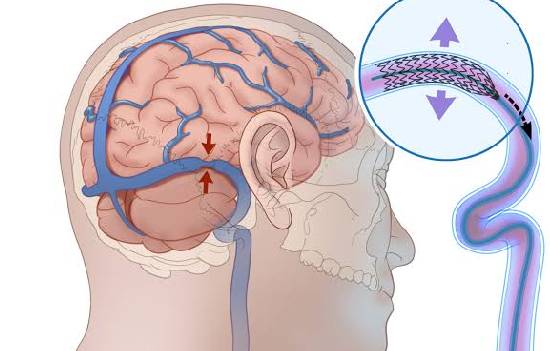
Minimally Invasive Treatment for Brain & Spinal Vascular Disorders
Neuro‑interventions are highly specialized, image‑guided procedures used to treat complex conditions affecting the brain, spinal cord, and blood vessels of the head and neck. These procedures are performed through tiny catheters inserted into blood vessels, avoiding the need for major open brain surgery in many cases.
Dr. Suraj Bhame, an experienced vascular and Interventional Radiologist in Pune, offers advanced neuro‑interventional procedures for conditions such as brain aneurysm, stroke, AVM, carotid artery narrowing, and other vascular abnormalities.
Using state‑of‑the‑art imaging technology and minimally invasive techniques, these procedures aim to:
- Restore blood flow to the brain
- Prevent stroke
- Stop internal brain bleeding
- Treat vascular malformations
- Improve neurological outcomes
- Reduce recovery time compared to open surgery
Early diagnosis and timely treatment can be life‑saving and may prevent permanent disability.
What Are Neuro‑Interventions?
Neuro‑interventions are minimally invasive procedures performed inside blood vessels of the brain and spine using:
- X‑ray fluoroscopy guidance
- Micro‑catheters and guidewires
- Coils, stents, balloons, or embolic agents
Instead of opening the skull, a catheter is usually inserted through a small puncture in the groin or wrist artery and guided to the affected blood vessel in the brain.
Advantages of Neuro‑Interventional Treatment:
- No large surgical incision
- Reduced risk compared to open brain surgery in selected cases
- Faster recovery
- Shorter hospital stay
- Precise targeting of abnormal blood vessels
- Often life‑saving in emergency stroke
Who May Need Neuro‑Interventions?
Patients who require neuro-interventions typically have cerebrovascular diseases or structural nervous system disorders. They include individuals who have suffered sudden strokes, those with unruptured brain aneurysms, or people experiencing chronic symptoms like severe nerve compression and vascular malformations in the brain or spine
Primary Conditions Treated
- Stroke Management: Used for acute ischemic strokes to physically remove a blood clot from a blocked artery in the brain (mechanical thrombectomy).
- Brain Aneurysms: Treating weakened or bulging blood vessels by filling them with tiny platinum coils or placing flow-diverting stents to prevent rupture.
- Vascular Malformations: Correcting abnormal tangles of blood vessels in the brain or spinal cord (AVMs).
- Carotid and Intracranial Stenosis: Opening up narrowed arteries in the neck or brain that restrict blood flow, often utilizing stents or angioplasty.
Conditions Treated with Neuro‑Interventions
Dr. Suraj Bhame provides advanced evaluation and management of various neurovascular conditions in Pune.
1. Acute Ischemic Stroke (Brain Attack)
A stroke occurs when blood flow to a part of the brain is suddenly blocked by a clot. Brain cells begin to die within minutes, making stroke a medical emergency.
Symptoms of stroke include:
- Sudden weakness of face, arm, or leg (especially on one side)
- Sudden speech difficulty
- Sudden vision loss
- Severe headache
- Loss of balance or coordination
Mechanical Thrombectomy
In selected patients, a clot can be physically removed from the brain artery using specialized devices. This procedure is called mechanical thrombectomy and is most effective when performed early.
Benefits:
- Rapid restoration of blood flow
- Reduced brain damage
- Improved recovery chances
- Lower disability risk
2. Brain Aneurysm
A brain aneurysm is a balloon‑like bulge in a blood vessel in the brain. If it ruptures, it can cause life‑threatening bleeding (subarachnoid hemorrhage).
Symptoms of ruptured aneurysm:
- Sudden severe headache (“worst headache of life”)
- Neck stiffness
- Vomiting
- Loss of consciousness
Endovascular Coiling
A catheter is guided to the aneurysm, and tiny coils are placed inside it to block blood flow and prevent rupture.
Flow Diverter Stents
In certain aneurysms, special stents are placed to redirect blood flow away from the aneurysm, allowing it to heal.
3. Arteriovenous Malformation (AVM)
AVM is an abnormal tangle of blood vessels connecting arteries and veins in the brain. It can lead to bleeding, seizures, or headaches.
AVM Embolization
A special glue‑like substance or embolic agent is injected through a catheter to block abnormal vessels and reduce bleeding risk.
4. Carotid Artery Stenosis
Narrowing of the carotid arteries in the neck increases the risk of stroke.
Symptoms may include:
- Mini‑stroke (TIA)
- Weakness or numbness on one side
- Speech difficulty
- Sudden vision changes
Carotid Artery Stenting
A stent is placed in the narrowed artery to improve blood flow and reduce stroke risk.
5. Intracranial Artery Narrowing
Some patients develop narrowing inside brain arteries due to atherosclerosis. In selected cases, angioplasty or stenting may be considered.
6. Dural Arteriovenous Fistula (DAVF)
An abnormal connection between arteries and veins in the brain covering (dura). It may cause:
- Pulsating noise in the ear (pulsatile tinnitus)
- Headache
- Bleeding
Treatment involves embolization to close abnormal connections.
7. Spinal Vascular Malformations
Abnormal blood vessel connections in the spine can cause progressive weakness or neurological symptoms.
These can be treated with targeted embolization procedures.
8. Tumor Embolization
Certain brain or head‑neck tumors are highly vascular. Pre‑operative embolization reduces bleeding during surgery.
Neuro‑Interventional Procedures Offered
Depending on the condition, Dr. Suraj Bhame may perform:
- Diagnostic cerebral angiography
- Mechanical thrombectomy for stroke
- Endovascular coiling of aneurysm
- Flow diverter placement
- Balloon‑assisted or stent‑assisted coiling
- AVM embolization
- Dural AV fistula embolization
- Carotid artery angioplasty and stenting
- Intracranial angioplasty
- Tumor embolization
- Spinal vascular embolization
Each case is carefully evaluated before recommending the most appropriate intervention.
Benefits of Minimally Invasive Neuro‑Interventions
- Avoids open brain surgery in many cases
- Smaller incision
- Less blood loss
- Faster recovery in selected patients
- Precise treatment targeting
- Can be life‑saving in acute stroke
- Reduced hospital stay compared to traditional surgery in suitable cases
Symptoms That Require Urgent Evaluation
Seek immediate medical care if you notice:
- Sudden weakness or paralysis
- Slurred speech
- Sudden vision loss
- Severe sudden headache
- Seizures
- Sudden confusion
- Loss of consciousness
- Facial drooping
Early treatment significantly improves outcomes in stroke and other neurovascular emergencies.
What to Expect During a Neuro‑Intervention
Before the Procedure
- Detailed neurological assessment
- CT scan / MRI brain
- CT angiography or MR angiography
- Blood tests
- Discussion of risks and benefits
During the Procedure
- Performed in a specialized angiography suite
- Local anesthesia with sedation or general anesthesia depending on case
- Small puncture in groin or wrist artery
- Catheter guided to brain vessels under imaging
- Treatment performed using coils, stents, or clot‑removal devices
- Procedure duration varies (1–3 hours or more in complex cases)
After the Procedure
- Monitoring in ICU or recovery unit
- Neurological observation
- Hospital stay depends on condition
- Follow‑up imaging as needed
Why Choose Dr. Suraj Bhame for Neuro‑Interventions in Pune?
Neuro‑intervention requires high technical skill, precision, and rapid decision‑making — especially in emergency stroke care.
Dr. Suraj Bhame provides structured, patient‑focused neurovascular care with advanced imaging support.
Key strengths include:
- Expertise in endovascular and image‑guided procedures
- Advanced clot‑removal and embolization techniques
- Focus on stroke prevention and management
- Multidisciplinary coordination with neurologists and neurosurgeons
- Access to modern angiography facilities in Pune
- Emphasis on patient safety and evidence‑based treatment
Frequently Asked Questions
No. Neuro‑intervention is minimally invasive and performed through blood vessels using catheters. It avoids opening the skull in many cases.
Yes. Stroke is a medical emergency. The earlier treatment is started, the better the chances of recovery.
Yes. Many aneurysms can be treated using endovascular coiling or flow diverter stents.
Recovery depends on the condition treated. Stroke recovery varies, while aneurysm coiling may require a few days of hospital stay.
These procedures are widely performed and considered safe when done by trained specialists after proper evaluation. Risks are discussed in detail before treatment.
Book Consultation – Neuro‑Interventions in Pune
If you or a loved one has been diagnosed with a brain aneurysm, stroke, AVM, carotid artery narrowing, or other neurovascular condition, early specialist consultation is important.
Dr. Suraj Bhame
vascular and Interventional Radiologist – Pune
Patient Testimonials
Innovations That Move You Forward