
Nephrology Interventions
Home > Nephrology Interventions
Dialysis Access and Nephrology Interventions
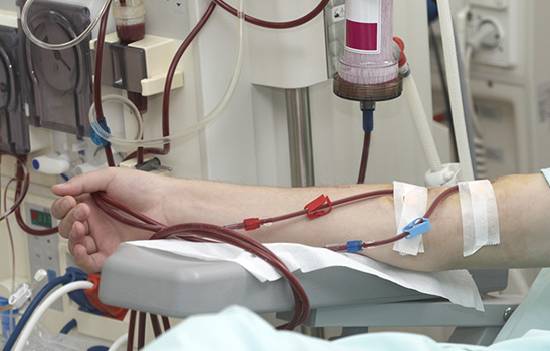
Advanced Minimally Invasive Care for Kidney Patients and Dialysis Access Management
For patients with chronic kidney disease (CKD) or end-stage renal disease (ESRD) requiring dialysis, having a well-functioning dialysis access is not just important — it is absolutely essential for survival. A reliable, well-maintained dialysis access ensures that blood can be efficiently cleaned during each dialysis session, directly impacting the patient’s health and quality of life.
Dr. Suraj Bhame, a leading vascular and Interventional Radiologistin Pune, provides comprehensive dialysis access and nephrology interventional services using minimally invasive, image-guided techniques. From creating and maintaining arteriovenous fistulas to managing complex access problems and performing kidney-related interventions, Dr. Bhame offers a complete range of services tailored to the needs of kidney patients.
Whether you are a new dialysis patient requiring access creation or an existing patient experiencing access complications, Dr. Suraj Bhame and his team provide expert, timely, and patient-centered care.
Understanding Dialysis Access
Dialysis is a life-sustaining treatment for patients whose kidneys can no longer function adequately. During hemodialysis, large volumes of blood need to be circulated through a dialysis machine repeatedly. This requires a reliable point of access to the bloodstream that can withstand repeated needle punctures and high blood flow rates.
There are three main types of dialysis access:
- Arteriovenous (AV) Fistula — considered the gold standard; created by surgically connecting an artery to a vein under the skin
- Arteriovenous (AV) Graft — a synthetic tube connecting artery to vein when native vessels are not suitable
- Central Venous Catheter (CVC) — a tube placed in a large central vein, used when fistula or graft is not yet ready or not possible
Each type has its advantages and limitations. The goal of dialysis access management is to ensure that the access remains functional, patent, and complication-free for as long as possible.
Interventional radiology plays a critical role in:
- Planning and creating dialysis access
- Monitoring access function
- Treating access complications
- Prolonging access life
- Managing kidney-related conditions
Conditions and Problems Managed
1. AV Fistula or Graft Stenosis
Over time, the blood vessels in an AV fistula or graft may develop narrowing (stenosis) due to repeated needle punctures, turbulent blood flow, or inflammatory changes. This reduces blood flow through the access and affects dialysis efficiency.
Signs of fistula or graft stenosis:
- Reduced blood flow during dialysis
- Prolonged bleeding after needle removal
- Swelling of the arm
- Hardening of the access
- Poor dialysis adequacy
2. AV Fistula or Graft Thrombosis (Clotting)
Complete blockage of the fistula or graft by a blood clot can occur suddenly, making dialysis impossible.
Signs of fistula thrombosis:
- Loss of thrill (buzzing sensation) over the fistula
- Loss of bruit (sound heard with stethoscope)
- Painful swelling
- Inability to perform dialysis
3. Central Vein Stenosis
Repeated use of central venous catheters or pacemaker wires can damage central veins like the subclavian, brachiocephalic, or superior vena cava. This causes:
- Swelling of the entire arm
- Facial or neck swelling
- Difficulty in dialysis due to poor flow
4. Pseudoaneurysm of Fistula
Repeated needle punctures at the same site can weaken the vessel wall, leading to a bulge called a pseudoaneurysm. This can become large, painful, or at risk of rupture.
5. Dialysis Catheter Dysfunction
Central venous catheters used for dialysis can develop:
- Fibrin sheath formation around the catheter
- Clot within the catheter
- Infection
- Malposition
These problems reduce catheter function and require intervention.
6. Kidney Obstruction (Hydronephrosis)
Blockage of urine flow from the kidney causes the kidney to swell (hydronephrosis). This can damage kidney tissue if not relieved promptly.
Common causes of kidney obstruction:
- Kidney stones
- Ureteric stricture
- Pelvic-ureteric junction (PUJ) obstruction
- Cancer compressing the ureter
- Post-surgical changes
- Retroperitoneal fibrosis
7. Kidney Infections and Abscess
Severe kidney infections or perirenal abscesses may require image-guided drainage to remove infected fluid and speed up recovery.
8. Renal Artery Stenosis
Narrowing of the arteries supplying blood to the kidneys leads to:
- Difficult-to-control high blood pressure
- Progressive kidney damage
9. Kidney Tumors
Selected kidney tumors can be treated using percutaneous ablation techniques as a minimally invasive alternative to surgery.
10. Renal Cysts
Large or symptomatic kidney cysts can be drained and treated using sclerotherapy through a small needle under imaging guidance.
Dialysis Access and Nephrology Interventions Offered
Dr. Suraj Bhame provides a comprehensive range of interventional procedures for dialysis access management and kidney-related conditions, all performed using advanced imaging guidance.
1. AV Fistula Planning and Mapping
Before creating an AV fistula, proper vessel mapping is essential to ensure the best possible outcome. Dr. Suraj Bhame performs detailed Doppler ultrasound vessel mapping to assess:
- Vein diameter and depth
- Arterial inflow adequacy
- Vessel quality and compressibility
- Presence of central vein stenosis
Benefits of proper pre-operative mapping:
- Higher fistula maturation rates
- Better long-term fistula outcomes
- Informed selection of fistula site
- Reduced need for revision procedures
2. AV Fistula Angioplasty (Balloon Maturation)
Sometimes a newly created fistula does not mature adequately due to stenosis in the outflow vein. Balloon angioplasty can be used to open the narrowed segment and help the fistula mature.
This is performed:
- When fistula fails to mature within expected time
- When blood flow is inadequate for dialysis
- When there is identifiable stenosis on imaging
3. Fistuloplasty – Balloon Angioplasty for Fistula Stenosis
When a functioning fistula develops stenosis, balloon angioplasty (fistuloplasty) is performed to restore blood flow.
The procedure involves:
- Local anesthesia
- Needle puncture into the fistula
- Catheter and guidewire advancement to the stenosis
- Balloon inflation to open the narrowed segment
- Assessment of flow after dilation
Benefits:
- Restores dialysis adequacy
- Avoids fistula abandonment
- Quick procedure with same-day return to dialysis
- Can be repeated if stenosis recurs
4. Fistula Declotting (Thrombectomy / Thrombolysis)
When a fistula or graft becomes completely blocked by a clot, urgent intervention is needed to restore patency and allow dialysis to continue.
Techniques used:
- Mechanical thrombectomy using specialized devices
- Pharmacomechanical thrombolysis
- Clot aspiration
- Balloon maceration of clot
After successful declotting:
- Underlying stenosis is identified and treated with angioplasty
- Dialysis can often resume on the same day
5. Graft Angioplasty and Declotting
Similar to fistula interventions, AV grafts that develop stenosis or thrombosis can be treated with:
- Balloon angioplasty of stenotic segments
- Mechanical thrombectomy for clotted grafts
- Graft stenting in selected cases
6. Central Vein Angioplasty and Stenting
Stenosis in central veins (subclavian, brachiocephalic, SVC) can significantly affect dialysis access function and cause arm or facial swelling.
Treatment involves:
- Balloon dilation of the narrowed central vein
- Stent placement in selected cases to maintain patency
- Restores venous drainage and improves access flow
7. Tunneled Dialysis Catheter Insertion
A tunneled central venous catheter (also called a permcath or tunneled hemodialysis catheter) is placed in a large central vein for patients who:
- Are starting dialysis urgently
- Are waiting for fistula maturation
- Are not candidates for AV fistula or graft
- Need temporary dialysis access
The procedure involves:
- Local anesthesia with sedation
- Ultrasound and fluoroscopy guidance
- Catheter inserted into jugular or subclavian vein
- Tunneled under the skin for stability and infection prevention
Benefits of tunneled catheter:
- Immediate dialysis capability
- Can remain in place for months
- Safer than non-tunneled catheters for long-term use
8. Dialysis Catheter Removal and Exchange
When a tunneled catheter becomes infected, dysfunctional, or is no longer needed, it can be safely removed or exchanged under imaging guidance.
Exchange over guidewire is performed when:
- Catheter is dysfunctional but not infected
- Position change is needed
- Upgrade of catheter size is required
9. Fibrin Sheath Stripping and Catheter Thrombolysis
Over time, a fibrin sheath can form around a tunneled catheter, reducing its flow. Treatment options include:
- Instillation of clot-dissolving medication into the catheter
- Mechanical disruption of the fibrin sheath using a snare device
10. Percutaneous Nephrostomy (PCN)
Percutaneous nephrostomy is a minimally invasive procedure where a thin tube is inserted through the back directly into the kidney under ultrasound and fluoroscopy guidance to drain urine when normal flow is obstructed.
When is PCN performed?
- Acute kidney obstruction with infection (pyonephrosis)
- Obstructive uropathy causing kidney damage
- Ureteric obstruction by stone or tumor
- Post-surgical ureteric injury
- Preparation for further procedures
Benefits of PCN:
- Immediate relief of obstruction
- Prevents further kidney damage
- Treats and prevents life-threatening kidney infection
- Can be done under local anesthesia
- Short procedure duration
11. Antegrade Ureteric Stenting (DJ Stenting)
After establishing nephrostomy access, a double-J (DJ) stent can be placed inside the ureter to keep it open and allow urine to drain from the kidney to the bladder internally, removing the need for an external drainage bag.
Performed for:
- Ureteric strictures
- Cancer-related ureteric obstruction
- Stones causing obstruction
- Post-surgical ureteric injuries
12. Percutaneous Nephrolithotomy (PCNL) Access
In patients with large kidney stones requiring surgical removal, interventional radiologists create the initial access track into the kidney (nephrostomy access) that urologists use to perform PCNL stone removal.
13. Renal Artery Angioplasty and Stenting
Narrowing of the renal arteries (renal artery stenosis) can be treated with balloon angioplasty and stenting to improve kidney blood flow and help control blood pressure.
Performed for:
- Resistant hypertension due to renal artery stenosis
- Declining kidney function due to reduced renal blood flow
- Fibromuscular dysplasia of renal artery
14. Renal Cyst Aspiration and Sclerotherapy
Large or symptomatic kidney cysts are drained under ultrasound guidance and a sclerosing agent is injected to prevent refilling.
Benefits:
- Relief of pressure symptoms
- Prevention of infection
- Minimally invasive with quick recovery
15. Percutaneous Kidney Tumor Ablation
Small kidney tumors can be effectively treated using:
- Radiofrequency ablation
- Microwave ablation
- Cryoablation
Suitable for:
- Small renal tumors
- Single kidney patients
- Elderly or medically unfit patients
- Recurrent or residual tumors
16. Kidney and Perirenal Abscess Drainage
Infected fluid collections around or inside the kidney are drained using a small catheter placed under ultrasound or CT guidance.
Benefits of Minimally Invasive Dialysis Access and Nephrology Interventions
Interventional radiology has transformed the management of dialysis access and kidney conditions by offering effective, minimally invasive solutions that:
Key benefits include:
- Preserve and prolong dialysis access life
- Avoid surgical revision in many cases
- Allow same-day or next-day return to dialysis
- Performed under local anesthesia
- Short hospital stay or outpatient procedure
- Reduce risk of infection and complications
- Provide immediate relief of urinary obstruction
- Protect kidney function
- Improve quality of life for dialysis patients
- Can be repeated as needed over time
Symptoms and Situations That Need Attention
Consult Dr. Suraj Bhame if you or your patient has:
- Fistula or graft not working properly during dialysis
- Loss of thrill or bruit over the fistula
- Arm swelling after dialysis or catheter insertion
- Dialysis catheter not flushing or draining properly
- Reduced urine output with flank pain
- Fever with kidney pain
- Newly diagnosed kidney obstruction on imaging
- Requirement for urgent dialysis without access
- Non-maturing fistula
- Pseudoaneurysm of fistula
- Uncontrolled hypertension with kidney artery disease
What to Expect During the Procedure
Before the Procedure:
- Clinical evaluation by Dr. Suraj Bhame
- Doppler ultrasound of access or kidney as needed
- Blood tests including kidney function and clotting profile
- Review of medications
- Fasting instructions if required
- Explanation of procedure, alternatives, and expected outcomes
During the Procedure:
- Performed in an interventional radiology suite or ultrasound room
- Local anesthesia in most cases
- Ultrasound and fluoroscopy guidance throughout
- Catheter or needle-based approach depending on procedure
- Duration: 30 minutes to 1.5 hours depending on complexity
After the Procedure:
- Short observation period
- Most patients can resume dialysis the same day or next day
- Wound care instructions for access site
- Follow-up Doppler to confirm access patency
- Regular surveillance recommended to detect early stenosis
Why Choose Dr. Suraj Bhame for Dialysis Access and Nephrology IR in Pune?
Dialysis access management is a specialized area that requires deep understanding of vascular anatomy, dialysis physiology, and precise interventional techniques. A well-maintained access directly impacts a patient’s ability to receive adequate dialysis and maintain quality of life.
Dr. Suraj Bhame provides dedicated, expert dialysis access care with a focus on preserving access function, minimizing complications, and supporting the long-term wellbeing of kidney patients. He works closely with nephrologists, transplant surgeons, and urologists to provide integrated care.
Why patients and nephrologists trust Dr. Suraj Bhame:
- Expertise in all aspects of dialysis access creation and maintenance
- Experience in complex fistula salvage and declotting procedures
- Comprehensive nephrology IR services under one roof
- Advanced imaging guidance for precision and safety
- Close coordination with nephrology teams in Pune
- Dedicated surveillance programs for long-term access management
- Compassionate care for chronically ill kidney patients
- Timely intervention to minimize dialysis downtime
Frequently Asked Questions
An AV fistula is considered the gold standard for dialysis access because it has the longest lifespan, lowest infection risk, and best dialysis outcomes. However, the choice depends on the patient’s vessel quality and clinical condition.
A well-maintained AV fistula can last for many years. Regular surveillance and timely treatment of stenosis can significantly extend access life.
Regular clinical monitoring at each dialysis session and periodic Doppler ultrasound surveillance (every 3 to 6 months) is recommended to detect early stenosis before it causes complete blockage.
The procedure is done under local anesthesia. Patients may feel mild pressure during balloon inflation, which is brief and well-tolerated.
A tunneled catheter is a soft tube placed in a large central vein that can be used for dialysis for several months. It is used as a temporary solution while waiting for fistula maturation or when other access options are not available.
The procedure is performed under local anesthesia. Most patients experience minimal discomfort. The immediate relief of urinary obstruction and pain after the procedure is significant.
Are these procedures covered by health insurance?
Book Your Consultation for Dialysis Access and Nephrology IR in Pune
For patients with kidney disease or dialysis access problems, timely intervention can make the difference between continued effective dialysis and serious complications. Whether you need access creation planning, fistula repair, catheter placement, or kidney drainage, Dr. Suraj Bhame provides expert, compassionate care with the goal of protecting your kidney health and quality of life.
Dr. Suraj Bhame
vascular and Interventional Radiologist – Pune
Patient Testimonials
Innovations That Move You Forward